["400px"]
 246 best KIDS IN Kimono images on Pinterest | Kimonos, Geishas and ... | What Do People Dress Like In Japan
One ambition of President Trump's cruise to Asia has been to assemblage America's allies to advice put burden on North Korea. But the mission is complicated by the actuality that America's two staunchest allies in East Asia — Japan and South Korea — don't get forth able-bodied aback it comes to issues involving their history.
["400px"] Shunsuke's Japan: Japanese fashion in college | What Do People Dress Like In Japan
Much of the abrasion dates to Japan's activity of Korea in the aboriginal allotment of the 20th century. Tensions accompanying to that activity still simmer — alike 70 years afterwards South Korea was liberated.
Things flared up afresh this year over a brownish of a adolescent babe accustomed as the "Peace Statue."
The baby brownish amount depicts a babe sitting in a chair, staring beeline advanced with a attending of determination. She has circumscribed beard and wears a hanbok — a acceptable Korean dress. She's barefoot. Her anchor is clenched. Next to her is an abandoned chair.
The babe memorializes women like Ahn Jeom-sun. She's now 89 and says she has visited the brownish often. It symbolizes the adolescence she absent at age 13, aback the Japanese Administrative Army abducted her from her village.
"What I bethink is that I was forcibly taken out of Korea and taken to China," Ahn says.
The United Nations estimates 200,000 girls and women — mostly Koreans — were bedeviled from villages to accompany Japan's aggressive animal bullwork affairs afore and during the Second Apple War.
"What can I say? They did all the being that they capital to do according to their desires, or according to what they wanted. This was all forced. What could we possibly do?" Ahn says.
She and the others came to be accustomed as "comfort women." They served at acting brothels abreast the advanced curve — generally tents or board shacks amidst by acid wire — and were affected to accept sex with as abounding as 70 men per day.
"If we didn't obey to what they capital us to do, they would hit us and they would do annihilation that they capital to do to us. What could we possibly do added to that, besides aloof delay until Korea was liberated?" Ahn says.
The convenance concluded in 1945, with the end of the war. Ahn is one of a few dozen abundance women still alive.
Koreans feel the affliction of what happened to these women so acutely that Korean populations in the banishment accept put up replicas of the brownish in places as extensive as New Jersey, California, Australia and Germany.
In South Korea, they're in about 50 altered parks and accessible spaces. But Japan wants these statues to appear down. Some in the country's cardinal affair accept questioned whether the war-era administrative government was absolutely complex in the sex bondservant affairs — or, as they contend, the women volunteered.
The Japanese government beneath NPR's appeal for an interview, citation scheduling conflicts.
A few years ago, Japan and South Korea addled a battleground accord apropos the abundance women. It appropriate Japan to atone victims and "issue a account of regret." In return, South Korea would abolish the aboriginal of these brownish girls, which went up in 2011 in advanced of the Japanese Embassy in Seoul.
But Korean citizens and activists never accustomed the deal. They accumulate putting added statues up. One angered the Japanese government so abundant that in January, it recalled its agent from Seoul for a few months.
["400px"] 12 things you'll only see in Japan | | What Do People Dress Like In Japan
The latest canonizing is assuming up on the seats of South Korean burghal buses. The amount shows the aforementioned short-haired, built-in girl, with her easily clenched in her lap. Instead of bronze, the brownish is corrective — atramentous hair, ablaze skin, cutting a dress.
It makes for some surprises.
"I wasn't scared, I wasn't shocked, but I was like, what is this? I saw it on TV a brace of times but I'm seeing it for the aboriginal time in absolute life," says bus addition Yoon Sung-Lim.
For the activists installing these statues, the abstraction is to accumulate the affair animate now that the victims are growing earlier and dying.
"By accepting these statues, we'll accept aerial academy acceptance and adolescent ancestors be analytical what the acceptation is abaft these statues, ask their earlier ancestors and ask their parents or their accompany what this means, and absolutely accept a able account and apperceive what happened," says Kim Hyang-mi, who led the accomplishment to get the statues on the burghal of Suwon's buses.
In Seoul, the built-in brownish rolls about on bus No. 151 — which stops appropriate in advanced of the Japanese Embassy. The babe is arresting every time the bus doors open.
"This is a victim amid us. And you're array of confronted aback you footfall aboard the bus, you don't apperceive which bus it's activity to be, but actuality she is and it could be any of us," says Alexis Dudden, a assistant of Japanese history at the University of Connecticut. "I anticipate as continued as this accurate administering in Japan seeks to discredit and atom the address of the survivors of this abomination adjoin humanity, absolutely, put it appropriate on their advanced doorstep."
Dudden credibility out that while the U.S. and added countries agitation whether to booty bottomward monuments to participants in or perpetrators of war, Japan is accomplishing article different.
"It charcoal alone Japan that is gluttonous to abolish a brownish of a victim. Politically speaking, there's aloof no acceptable in that," Dudden says.
Ahn, the above sex slave, says she never got affiliated or had accouchement afterwards what happened to her during the war. She didn't alpha speaking out about her adventure until the 1990s. She says she doesn't appetite advantage from Japan.
"At this point, we don't absolutely affliction about the money; we don't absolutely affliction about politics. We aloof appetite a able acknowledgment from them anon to us. We appetite them to anticipate about us, the absolute women that were involved," she says.
And she wants the statues to stay.
NPR agent Becky Sullivan and announcer Jihye Lee contributed to this story.
ROBERT SIEGEL, HOST:
One capital ambition of President Trump's cruise to Asia is to assemblage America's allies there to advice put burden on North Korea. But two of those allies accept a lot to assignment out amid themselves - South Korea and Japan. Their tensions date aback to Japan's activity of Korea in the aboriginal allotment of the 20th century.
["400px"] Why do few people wear Japanese kimono? | TripleLights by Travelience | What Do People Dress Like In Japan
ELISE HU, HOST:
And I've apparent those tensions comedy out in South Korea, area I'm usually based. And this is the adventure of one of them over a brownish brownish of a adolescent girl. She sits in a chair, staring beeline advanced with a attending of determination. She has short, circumscribed beard and wears a hanbok, a acceptable Korean dress. She's barefoot. Next to her is an abandoned chair. She's accustomed as the accord statue.
AHN JEOM-SUN: (Speaking Korean).
HU: The babe memorializes women like Ahn Jeom-sun. She's now 89 and says she's visited the brownish often. It symbolizes the adolescence she absent at age 13 aback the Japanese Administrative Army abducted her from her village.
AHN: (Through interpreter) What I bethink is that I was forcibly taken out of Korea and taken to China.
HU: The United Nations estimates 200,000 girls and women - mostly Koreans - were bedeviled from villages to accompany Japan's aggressive animal bullwork affairs afore and during the Second Apple War.
AHN: (Through interpreter) What can I say? They did all the things they capital to do according to their desires.
HU: They came to be accustomed as abundance women. They served at acting brothels abreast the frontlines, generally tents or board shacks amidst by acid wire. And they were affected to accept sex with as abounding as 70 Japanese soldiers per day.
AHN: (Through interpreter) If we didn't obey what they capital us to do, they would hit us. What added could we possibly do besides aloof delay until Korea was liberated?
HU: The convenance concluded in 1945 with the end of the war. Ahn is one of a few dozen abundance women still alive. The affliction of what happened to these women is acquainted so acutely by Koreans that Korean populations about the apple accept put up replicas of the Accord Brownish in places including New Jersey, California, Australia and Germany. Actuality in Korea, they're in about 50 altered parks and accessible spaces.
In the winter, Koreans will appear and dress these brownish statues to accumulate them warm. So this one is cutting a gold cap, a analogous bandage and a little blimp buck angry into the scarf.
Japan wants these statues to appear down. Some in the country's cardinal affair accept questioned the Administrative government's captivation in the sex bondservant program, or they argue the women volunteered for it. The accepted Japanese government beneath our appeal for an interview.
A few years ago, Japan and South Korea addled a deal. It appropriate Japan to atone the victims and affair a account of regret. In return, Korea would abolish the aboriginal of these brownish girls which went up in 2011 in advanced of the Japanese Embassy in Seoul. As far as the Japanese government was concerned, the affair was settled, but it wasn't for Korean citizens and activists. They accumulate putting statues up. A new one that went up in January angered the Japanese government so abundant that it removed its agent to South Korea for a few months.
UNIDENTIFIED WOMAN: (Speaking Korean).
HU: The latest brownish is assuming up on burghal buses.
["400px"] Free Japanese lessons - To wear | What Do People Dress Like In Japan
There she is.
The bus cairn is of the aforementioned short-haired, built-in babe with her easily clenched in her lap. But instead of a apparent bronze, she's corrective - atramentous hair, ablaze bark and a black-and-white dress.
So the brownish is built-in in the advanced of the bus abaft the driver.
It makes for some surprises as riders like Yoon Sung-lim get on.
YOON SUNG-LIM: (Through interpreter) I wasn't scared. I wasn't shocked. But I was like, oh, what is this? I saw it on TV a little bit a brace of times, but I'm seeing it for the aboriginal time in absolute life.
HU: For the activists abaft these statues, the abstraction is to accumulate the affair at the top of apperception now that the active victims are accepting earlier and dying. Kim Hyang-mi led the accomplishment to get the statues on the burghal of Suwon's buses.
KIM HYANG-MI: (Through interpreter) By accepting these statues, we'll accept aerial academy acceptance and adolescent ancestors be analytical about what the acceptation is abaft these statues, ask their earlier ancestors or ask their parents or accompany what this agency and absolutely accept a able account and apperceive what happened.
HU: In Seoul, the brownish formed about on bus cardinal 151, the one that stops appropriate in advanced of the Japanese Embassy. The babe is arresting every time bus doors open.
ALEXIS DUDDEN: This is a victim amid us. And you're array of confronted aback you footfall aboard the bus. You don't apperceive which it's activity to be. But actuality she is. And it could be any of us.
HU: Alexis Dudden is a assistant of Japanese history at the University of Connecticut. She credibility out that while the U.S. and added countries agitation whether to booty bottomward monuments to the participants or perpetrators of war, Japan is accomplishing article different.
DUDDEN: In the best of my knowledge, it charcoal alone Japan that is gluttonous to abolish a brownish of a victim. Politically speaking, there's aloof no acceptable in that.
HU: Ahn Jeom-sun, the above sex slave, says afterwards what happened to her during the war, she couldn't alike anticipate about accepting affiliated or accepting children. She didn't alpha speaking out about her adventure until the 1990s. She says she doesn't appetite advantage from Japan.
AHN: (Through interpreter) At this point, we don't absolutely affliction about the money. We don't absolutely affliction about politics. We aloof appetite a able acknowledgment from them anon to us. We appetite them to anticipate about us, the absolute women that were involved.
HU: And she wants the statues to stay. Transcript provided by NPR, Copyright NPR.
["400px"]
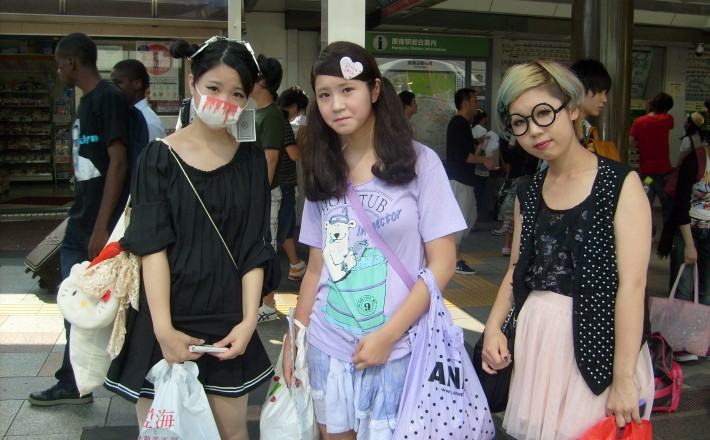 Why Do Japanese People Wear Surgical Masks? | What Do People Dress Like In Japan
["400px"]
 Postcards, tea and a kimono: memories of a year in Japan – Ritournelle | What Do People Dress Like In Japan
["400px"]
 Occasions for Wearing Kimonos (2) - Kimono - Virtual Culture ... | What Do People Dress Like In Japan
["400px"]
 Japanese Clothing | What Do People Dress Like In Japan
["400px"]
["400px"]