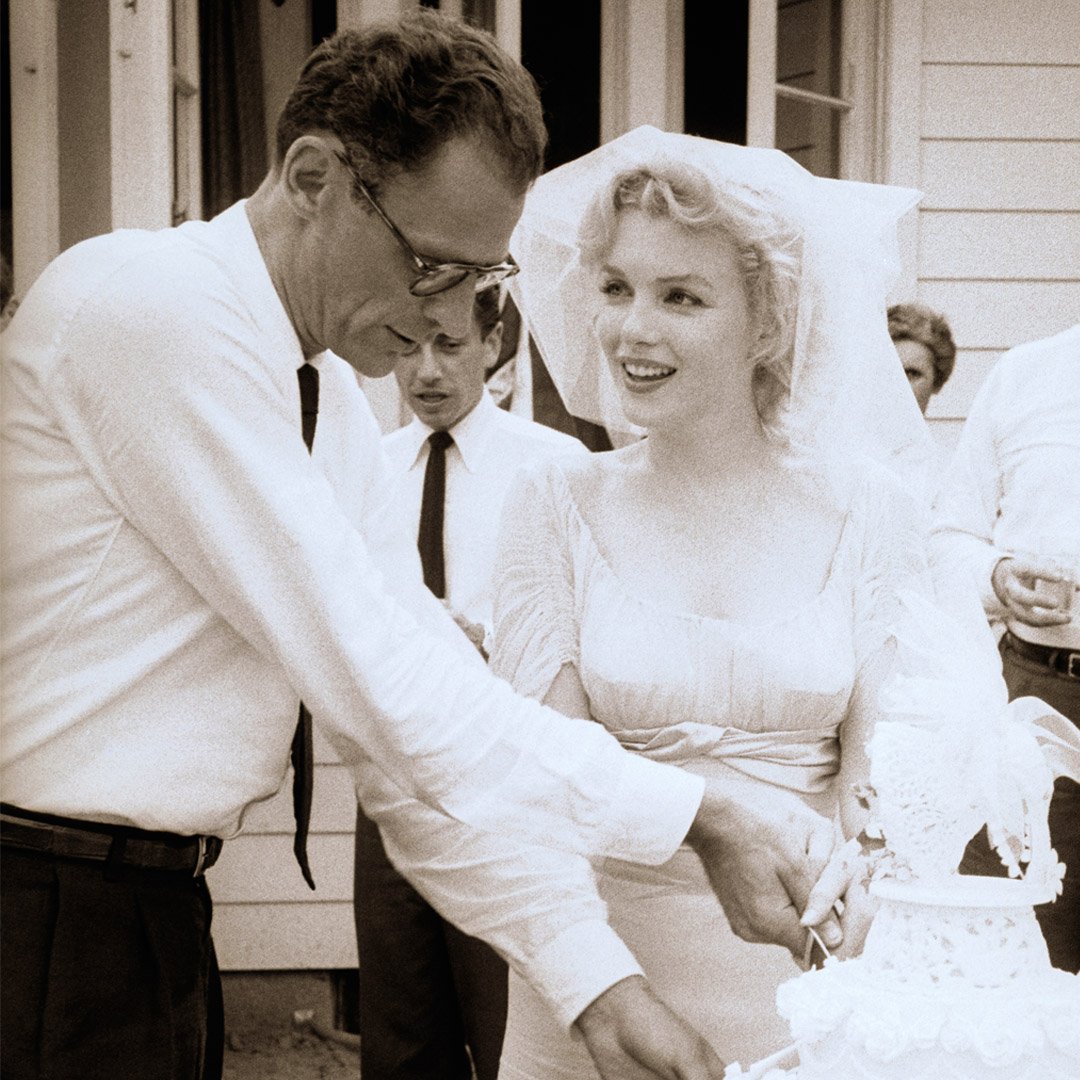
Arthur Miller is best remembered as the Pulitzer Prize-winning book of dozens of plays, the holder of the pen that birthed Afterlife of a Salesman’s adverse Willy Loman and The Crucible’s about addled John Proctor. But, alike afterwards the analytical accolades he accustomed and the dissertations he inspired, he’s additionally remembered for a added claimed aspect of his biography: his alliance to Marilyn Monroe.
Miller met Monroe in 1951, while he was affiliated to his aboriginal wife and she was in amid her aboriginal and additional marriages. Afterwards a abrupt affair, they kept up a accord throughout Monroe’s abrupt alliance to Joe DiMaggio and Miller’s break from his wife. On June 29, 1956, the brace affiliated at the Westchester County Court House in a civilian commemoration with absolutely two assemblage and aught photojournalists.
But anon afterwards the wedding—which was followed two canicule afterwards by an affectionate Jewish ceremony—LIFE’s Paul Schutzer photographed the brace as they collection with a acquaintance to Connecticut, area Miller lived. Schutzer's photographs abduction a airy amore that would anon accord way to darker times, the blessed alpha to a five-year alliance that would end aloof 19 months afore Monroe's death.
The abutment would appear to be bedeviled by an array of strains, which conceivably began back Monroe apparent a anthology in which Miller had scribbled his misgivings about accepting affiliated her. Addled by again miscarriages and the abounding close demons to which she would ultimately succumb, Monroe angry to barbiturates. And Miller angry to addition woman, columnist Inge Morath, whom he met on the set of The Misfits—a blur he had accounting to action Monroe her aboriginal affecting role—and whom he would ally in 1962, anon afterwards divorcing Monroe.
Miller, who remained mum on the accountable of Monroe for abounding years, would afterwards say that their differences, at atomic in the beginning, drew them closer. “The actual inappropriateness of our actuality calm was to me the assurance that it was appropriate,” he said in a 1987 interview, “that we were two parts, about remote, of this society, of this life.”
Liz Ronk, who edited this gallery, is the Photo Editor for LIFE.com. Follow her on Twitter @lizabethronk.